A dewatering system can appear to be working right up until an excavation starts taking water, a pump trips overnight or discharge quality moves outside an approval condition. Dewatering automation gives site teams earlier visibility of those changes, allowing them to act before groundwater affects safety, production or programme.
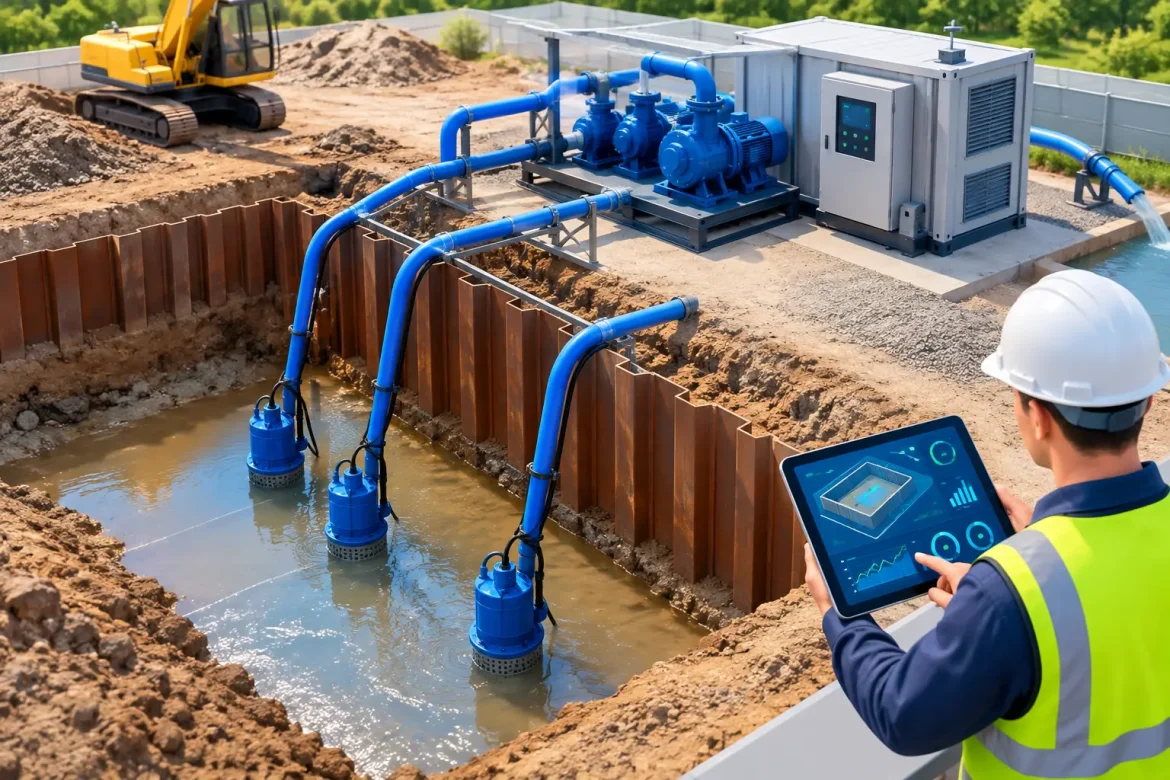
For construction, mining and civil works, automation is not simply a remote start-stop function. Applied properly, it connects pumps, level sensors, flow meters, pressure monitoring and water-quality instruments into an operating system that supports practical decisions in the field. It can reduce unnecessary run time, improve accountability and help maintain consistent water control across changing site conditions.
What dewatering automation should achieve
The purpose of automation is to maintain the required groundwater drawdown or water level with less manual intervention and better operating information. That outcome needs to be defined against the project risk. A shallow excavation beside existing services has different requirements from a deep basement, mine pit or pipeline installation in variable ground.
At its most useful, an automated system monitors the conditions that matter, controls equipment within agreed limits and alerts the right people when performance shifts. It should give the project team a clear answer to several operational questions: Is the system achieving drawdown? Are pumps operating efficiently? Is discharge remaining within environmental requirements? Is there enough capacity if inflow increases?
Automation does not eliminate the need for experienced dewatering personnel. Groundwater behaviour is rarely static, and sensors can only report what they are installed to measure. The value comes from combining reliable equipment and data with site-based judgement.
The controls that make a practical difference
Water levels and drawdown
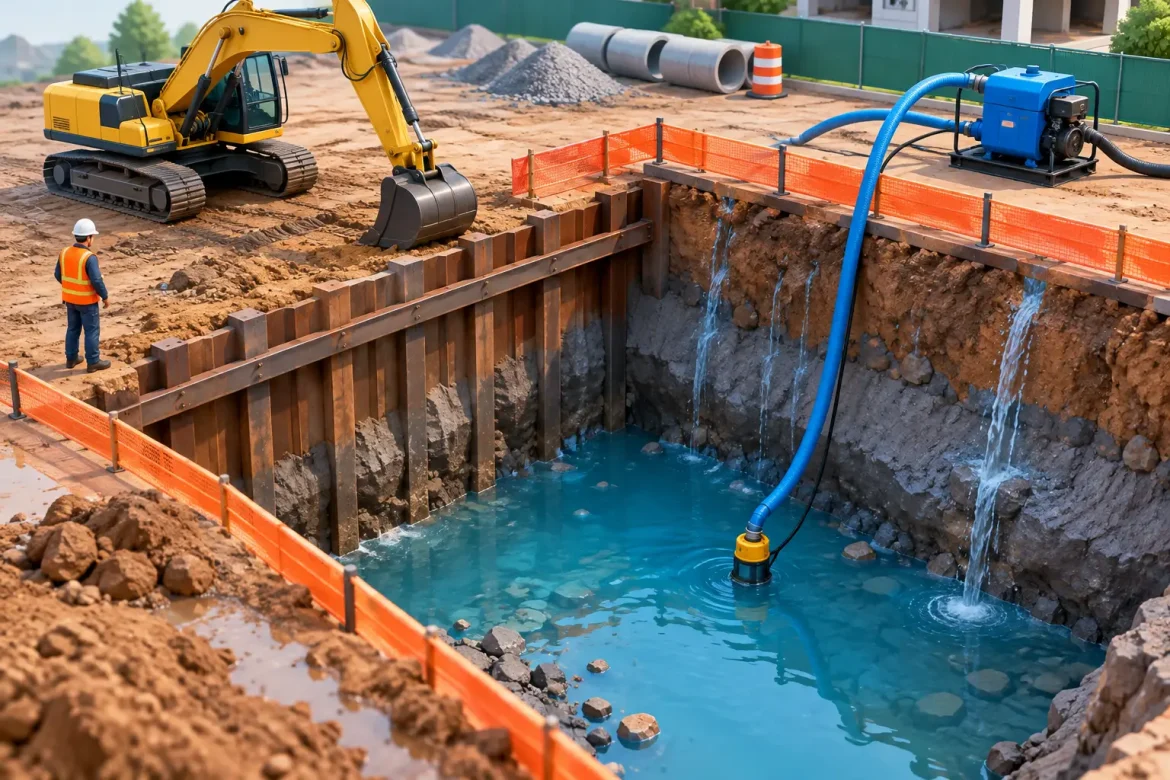
Water-level monitoring is central to dewatering control. In a well point system, deep well installation or sump arrangement, level instruments can show whether the water table is reducing as expected and whether the target level is being maintained.
Level-based pump control can start and stop equipment within nominated bands, preventing a sump from overflowing while avoiding constant cycling. In deep excavations, monitoring piezometric levels may also provide an early indication that drawdown is not extending as designed, or that recharge, rainfall or a changed ground condition is increasing inflow.
The set points must reflect the site design, not a generic factory setting. Excessive drawdown can create its own risks, including settlement concerns near neighbouring assets or unnecessary energy use. Insufficient drawdown can compromise excavation stability, access and foundation works. The correct control range depends on the ground model, construction sequence and environmental constraints.
Pump status, pressure and flow
A pump running is not proof that it is performing. Automated status monitoring can identify loss of power, high temperature, phase failure, fuel issues, low suction pressure or a tripped control panel. Pressure and flow data add another layer of assurance by showing whether the system is actually moving the expected volume of water.
This matters where a blocked screen, damaged hose, air leak, worn impeller or partially closed valve can reduce output without immediately causing a full shutdown. A trend in falling flow or changing discharge pressure may allow maintenance to be planned before the system reaches a critical point.
For high-consequence works, duty and standby pumps should be configured so a standby unit starts automatically if the duty unit fails or the water level exceeds a defined alarm point. The design still requires regular physical testing. A standby pump that has not been tested under load is not a dependable contingency.
Water quality and discharge compliance
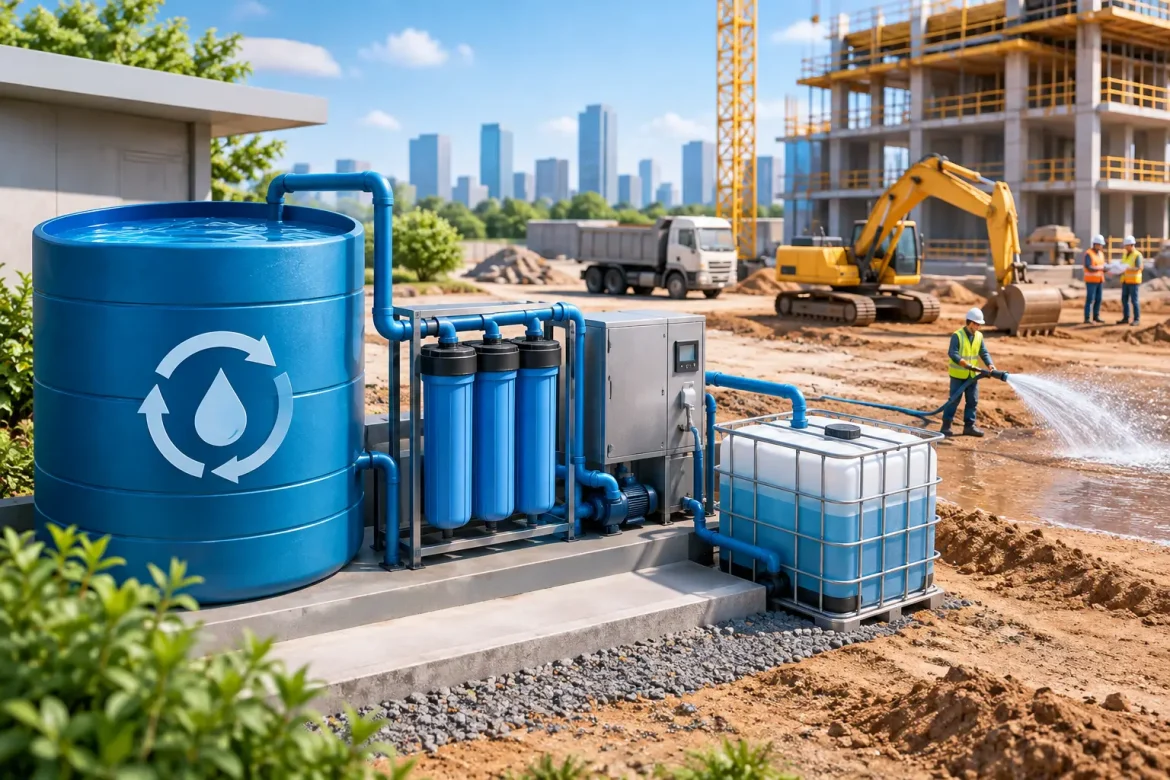
Where water is discharged to a sewer, waterway, stormwater system or approved land area, monitoring may need to extend beyond volume. Turbidity, pH, electrical conductivity and, where relevant, hydrocarbon indicators can be monitored to support treatment performance and discharge compliance.
Automated monitoring is particularly valuable after rainfall, during excavation into a new soil horizon or when site activities create a contamination risk. If readings approach a trigger level, the system can alarm, divert flow to containment or stop discharge, depending on the approved operating procedure.
That response must be carefully engineered. Automatically stopping a discharge pump without considering the upstream water level may transfer the problem back into the excavation. In some cases, diversion to a holding tank or treatment train is the safer response. Automation needs to reflect the full water pathway, not one instrument in isolation.
Why remote monitoring improves project control
Remote access allows nominated personnel to check operating conditions without travelling to site solely to inspect a control panel. For projects with multiple well fields, remote locations or after-hours pumping requirements, this can shorten response times and reduce unproductive site visits.
The greater benefit is the operating history. Data trends can show how inflows respond to rain, tidal influence, nearby works, drilling activity or changes in excavation depth. They also provide evidence of pump run hours, flow volumes, alarms and water-quality performance. This information supports reporting, troubleshooting and decisions on whether to alter the dewatering approach.
For example, a pump that runs longer each day while flow output declines may require attention before water levels become a problem. A rising turbidity trend can indicate that settlement capacity is reducing or that the treatment process needs adjustment. These are manageable issues when detected early. They become schedule and compliance issues when discovered after a failure.
Designing automation around the actual site
Dewatering automation should be specified during planning, alongside the dewatering method, treatment requirements, power supply and discharge pathway. Retrofitting monitoring after repeated alarms or poor performance is possible, but it is rarely the most efficient approach.
A practical design starts with the consequences of failure. A small isolated sump may only need local float control and regular inspections. A major excavation adjacent to live infrastructure may require redundant level sensors, duty/standby pump arrangements, telemetry, generator backup and escalation alarms sent to several responsible people.
Communications coverage is another consideration. Mobile telemetry is effective on many sites, but remote areas, below-ground works and locations with poor signal may need an alternative communications solution or local data logging. Power availability also shapes the design. Solar-assisted monitoring can suit some applications, while critical pumping systems may need mains power, generator backup and alarms for fuel or battery status.
Instrument selection matters as much as the control platform. Sensors must suit the water chemistry, solids loading, expected pressure range and installation environment. A sensor placed where sediment accumulates or where it can be damaged by plant will deliver unreliable data, regardless of how sophisticated the dashboard appears.
Commissioning and maintenance cannot be automated away
Before excavation progresses, the system should be commissioned against real operating conditions. This includes checking pump rotation and capacity, proving alarm notifications, testing automatic changeover, confirming instrument readings against manual measurements and verifying that any treatment or diversion response works as intended.
Alarm management deserves discipline. Too many low-priority alerts lead to alarm fatigue, while vague notifications delay action. Each alarm should have an owner, a response expectation and an escalation path. A message saying ‘pump fault’ is less useful than one that identifies the affected unit, water level, current flow and whether the standby pump has started.
Routine inspection remains essential. Hoses, couplings, screens, electrical leads, bunding, treatment media and discharge points all require field checks. Dewatering Solutions approaches automation as a support to disciplined site operations, not a substitute for them.
Measuring the return on automation
The return is not limited to labour savings. Reduced pump run time can lower fuel and power costs. Earlier fault detection can avoid emergency call-outs, excavation clean-up, plant downtime and programme disruption. Better records can simplify environmental reporting and demonstrate that controls were operating when needed.
However, the level of automation should be proportionate. A fully instrumented system may not be justified for a short, low-risk scope with stable conditions and close site supervision. Conversely, reducing monitoring on a high-risk excavation can be a false economy if one unplanned water event affects access, safety or concrete works.
The best approach is to match the system to the consequence of lost control, then keep the controls simple enough for site teams to operate and maintain with confidence.
A well-designed automated dewatering system gives project teams time: time to respond to a developing fault, time to protect an excavation and time to keep work moving. That margin is often what keeps groundwater from becoming the issue that dictates the job.